
No answer matches that yet
Try a shorter word, or ask the franchise team. New answers are added every month.
Ask the franchise teamFranchise ownership basics
Is a franchise right for you?
What a franchise is, how ownership models differ and the risks to weigh before you buy one.
Is owning a franchise worth it?
It can be, if you value a known brand and a proven system more than full control. You get the franchisor’s name, training and support. In return, you pay ongoing fees, even in months you lose money, and you follow its rules. The FTC notes there is no guarantee of success.
Is it better to open a franchise or your own business?
A franchise is often the better fit if you want a known brand, training and a set playbook. Your own business fits better if you want full control and no royalties. With a franchise, you pay ongoing fees and follow its rules. On your own, you build the brand and systems yourself.
What are the four types of franchises?
The International Franchise Association describes four main ways to invest in a franchise: single-unit, multi-unit or area developer, master franchise and area representative. A single-unit owner runs one location. A developer opens a set number of locations. A master franchisee sells franchises to others. An area representative sells and supports franchises in a region.
What is a single unit business?
A single-unit business owns or runs just one location. The US Census Bureau defines a single-unit company as one that owns or operates only one establishment. A multi-unit company runs two or more. In franchising, a single-unit franchisee owns one outlet, while a multi-unit franchisee owns several in the same system.
What does semi-absentee ownership mean?
Semi-absentee ownership means you own the business but hire a manager to run daily operations. You handle strategy, finances and oversight, often while keeping another job. Clean Eatz is not built this way. It looks for owners who live within roughly a one-hour drive and says it isn’t designed as an absentee investment.
Which franchise is best for beginners?
The best franchise for a beginner offers thorough training, strong ongoing support and an investment you can fund with a cushion. Ask recent franchisees about the quality of training, as the FTC suggests. Check FDD Item 20 for owner turnover. Then pick a business you would enjoy running every day.
What are the risks of owning a franchise?
The biggest risks are losing money and losing control. You may owe royalties even while losing money. Franchisors usually control how you run the business. A territory may not protect you from all competition. If the franchise is terminated, you will likely lose your whole investment. Review the FDD with a franchise attorney and accountant.
What is the failure rate for franchises?
There is no reliable failure rate for franchises alone. For all new US private-sector establishments, BLS data show about 79% survive one year, 47% reach five years and 34% reach ten. To judge one brand, read FDD Item 20. It shows outlets opened, terminated, not renewed and closed for other reasons.
Franchise fees & royalties
What you pay the franchisor
The one-time fee, the ongoing royalty and how often it is collected. Clean Eatz charges a $49,500 fee and a 6% royalty.
What is the difference between a franchise fee and a royalty fee?
A franchise fee is a one-time payment, made before you open, for the right to join the system. A royalty is an ongoing fee, usually a share of gross sales, paid throughout the agreement. At Clean Eatz, the initial franchise fee is $49,500, and the royalty is 6% of gross sales, paid weekly.
What is a normal franchise royalty fee?
About 6% of gross sales is a common benchmark. A FRANdata study of 2,425 brands from 2012 through 2018 found an average near 6%, with quick-service restaurants at 5.3%. Rates vary, so compare Item 6 of each FDD. Clean Eatz charges a 6% royalty on gross sales, plus a 2% brand fund.
How often do franchisees pay royalties?
Royalties are usually paid weekly or monthly. Every FDD must list each fee’s due date in its Item 6 table. The FTC notes royalties are often a percentage of weekly or monthly gross income, owed even when you are losing money. Clean Eatz collects its 6% royalty weekly by automatic ACH.
Franchise financing & SBA loans
How owners pay to open
Where franchise money comes from, who qualifies for an SBA loan and what the loan terms look like.
Can I get a loan for a franchise?
Yes. Lenders make franchise loans, including SBA-backed 7(a) loans of up to $5 million. Terms run up to 10 years for most uses and up to 25 years for real estate. Lenders use the SBA Franchise Directory to check a brand’s eligibility. They will also review your credit and your ability to repay.
How can I get funding to start a franchise?
You can fund a franchise with savings, a bank loan, an SBA 7(a) or 504 loan, or franchisor financing, which FDD Item 10 must disclose. Clean Eatz does not lend directly. It is SBA-friendly and can point you to lenders, but terms and approval are the lender’s. Budget for operating and living costs too.
Who qualifies for an SBA loan?
You qualify if your business is for-profit, operating in the US, small under SBA size standards and not an ineligible type. You must show you can repay and can’t get the credit on reasonable terms elsewhere. Since March 1, 2026, all owners and required guarantors must be US citizens or nationals living in the US.
What disqualifies you from getting an SBA loan?
Common disqualifiers are delinquent federal debt, a past default that cost the government money, and ineligible business types such as lenders or speculative ventures. An owner who is incarcerated or under indictment for a felony or financial crime disqualifies the business. Since March 2026, owners must be US citizens or nationals living in the US.
How hard is it to get an SBA loan for a startup business?
It is harder than for an established business, but start-ups qualify. With no track record, lenders lean on your credit, equity and collateral. SBA requires a 7(a) start-up to inject at least 10% of total project costs. You also need projections showing cash flow covers debt payments at least 1.15 times within two years.
What are the loan terms for SBA 504 loans?
SBA 504 loans have fixed rates and 10, 20 or 25 year terms. They fund real estate and major equipment, not working capital. A typical split is 50% bank, 40% CDC and at least 10% from you. Businesses open two years or less put in at least 15%. Most CDC loans cap at $5 million.
Franchise agreements & the FDD
What you sign & when it ends
The franchise disclosure document, the agreement it describes and what happens at the end of the term.
What is the main purpose of a franchise agreement?
Its main purpose is to license you to run a business under the franchisor’s trademark and system, and to set each side’s rights and duties. It covers fees, the term, operating standards, support, territory and how the deal ends. The FTC Rule requires it to be attached to the FDD as Item 22.
What should be included in a franchise agreement?
It should spell out the fees, the term and renewal rights, your territory, training and support, and supplier and operating rules. It should also cover how either side can end it, transfer and resale, noncompete limits and dispute resolution. Item 17 of the FDD summarizes these terms, so compare the two.
What are the two main types of franchise agreements?
A common distinction is between single-unit franchise agreements and area development agreements. A single-unit agreement gives you the right to run one location. A development agreement gives you the right, and the obligation, to open a set number of locations on a schedule. Each of those locations still gets its own franchise agreement.
How many years do franchise agreements last?
There is no standard length. A franchise agreement lasts only the number of years in the contract, and the FTC notes some run as long as 20 years. Renewal is not automatic. Item 17 of the FDD must disclose the term, your renewal rights and what you must do to renew.
What happens when a franchise agreement ends?
When the term ends, you either renew, if your contract allows it, or leave the system. The FTC warns renewal can bring new terms, such as higher royalties or a smaller territory. If you leave, Item 17 lists your exit duties, typically including a non-compete. A franchise attorney can explain these before you sign.
Can you walk away from a franchise?
You can, but rarely without a cost. A franchise agreement is a binding contract for a set term. The FTC warns you may owe royalties for the full term even if you quit early. A terminated franchisee is likely to lose the entire investment. Review the Item 17 exit terms with a franchise attorney.
What are the 23 items in the FDD?
In order, the FTC Rule lists the franchisor, business experience, litigation, bankruptcy, initial fees, other fees, initial investment, supplier restrictions, your obligations, financing, assistance and training, territory, trademarks, patents and copyrights, your participation, sales restrictions, renewal and termination, public figures, financial performance, outlets, financial statements, contracts and receipts.
Are franchise disclosure documents public?
Some are. The FTC Rule requires franchisors to give their FDD to prospective buyers, but not to post it publicly. Some franchise registration states keep filed copies open to the public. Minnesota says its CARDS database holds franchise documents from the last 10 years, and that they are public. You can also ask the franchisor.
How much does a franchise lawyer cost?
There is no standard price, and no official survey sets one, so get a written quote. Lawyers charge a flat fee for an FDD review or an hourly rate. Cost rises with document length, the lawyer’s experience and city, and extras like negotiation. The FTC advises choosing a lawyer experienced in franchise matters.
Restaurant profit margins
How a cafe makes money
Restaurant margins, food markup and the honest answer on how long profit takes.
Is a cafe franchise profitable?
A cafe franchise can be profitable, but restaurant margins are thin and results vary by site and operator. The National Restaurant Association reported a 2024 median pretax income of 4.0% of sales for limited-service restaurants. To judge one brand, read its FDD Items 19 and 20. Then ask current owners about their results.
What margin do most restaurants make?
The typical restaurant keeps only a few cents of profit per sales dollar. The National Restaurant Association put 2024 median pretax income at 2.8% of sales for full-service restaurants. Limited-service restaurants came in at 4.0%. In 2024, food and labor each took roughly a third of sales. That leaves little room for rising costs.
What is the 30/30/30 rule for restaurants?
The 30/30/30 rule is a budgeting rule of thumb that splits sales into 30% food, 30% labor and 30% overhead, leaving 10% profit. Overhead covers rent, utilities, insurance and marketing. Treat it as a rough target. National Restaurant Association data show 2024 median pretax income of 2.8% to 4.0% by restaurant type.
What is the typical markup on food in restaurants?
A common rule of thumb is to price food at about three times its ingredient cost. National Restaurant Association data put 2024 median food and drink costs near 32% of sales, which fits. To price a dish, divide its plate cost by your target food cost percentage. A $3 plate at 30% sells for $10.
What food has the highest profit margin in a restaurant?
Beverages, not entrees, usually carry the highest profit margins. Soft drinks, coffee, iced tea and alcohol cost little compared with their menu price. Technomic’s 2025 beverage research says drinks typically earn much higher margins than food. For dishes, track each item’s contribution margin, its price minus ingredient cost, and promote popular, high-margin plates.
How much do franchise owners make a month?
There is no reliable monthly income figure for franchise owners. Your pay depends on sales, costs, loan payments and how much work you do. Under the FTC Franchise Rule, earnings claims must appear in FDD Item 19, which is optional. Check whether it shows sales or profit. Ask current owners what they keep.
How long should it take for a business to be profitable?
There is no standard timeline, and it varies widely by business. Profit timing depends on startup costs, how fast sales build, location and cost control. Plan around your own break-even math. Keep cash in reserve, since Bureau of Labor Statistics data shows about 1 in 5 new establishments close within their first year.
Meal prep business & kitchen basics
Running a meal prep kitchen
What it takes to start a meal prep business and keep the kitchen safe.
How to open a meal prep business?
Start with a clear menu, target customers and a business plan. Then register the business, get tax IDs and insurance, and apply for local food permits. State cottage food laws generally exclude meals that need refrigeration, so you will likely need a licensed commercial kitchen. Ask your county health department what applies.
How much does it cost to start a meal prep business?
There is no set price, and your kitchen is the biggest variable. Renting a shared commercial kitchen avoids the cost of building your own. If you build, get local contractor bids. A Clean Eatz cafe, meal plans included, has an Item 7 estimate of $307,500 to $733,500, excluding real estate purchase.
How profitable is a meal prep business?
There is no reliable industry-wide profit figure for meal prep businesses. Your profit depends on your price per meal against food, packaging, labor, rent and delivery costs. Waste matters too, since prepared meals spoil fast. For a franchise, check Item 19 of the FDD. It is optional, and Clean Eatz includes one.
What are the three C’s in a restaurant?
In restaurant kitchens, the three C’s most often mean clean, cook and chill, a common food safety shorthand rather than an official US rule. Keep hands and surfaces clean, cook food to safe temperatures and refrigerate it promptly. The CDC teaches four steps, adding separate to keep risky raw foods away from other foods.
Talk to the franchise team
Still have a question?
Send it with the short form and the franchise team will answer it on your introductory call, along with the questions on your market and your budget.
More on restaurant franchising
Keep reading
 Articles
Healthy fast food franchise vs traditional fast food franchise
Steve Rivenbark November 17, 2026 Articles
How to evaluate healthy franchise opportunities
Steve Rivenbark November 14, 2026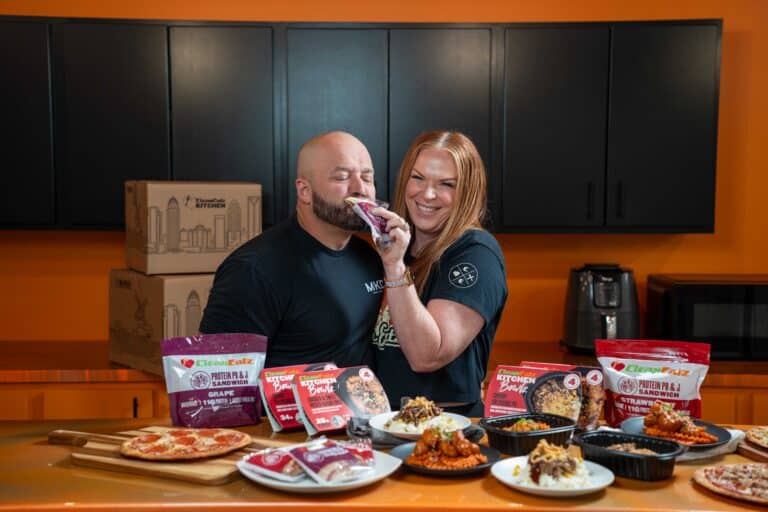 Articles
How to fund a healthy franchise with ROBS
Steve Rivenbark November 11, 2026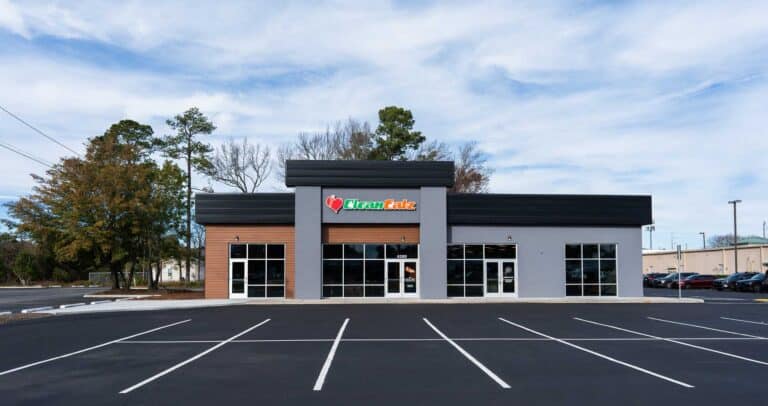 Articles
Restaurant failure rate statistics
Steve Rivenbark November 8, 2026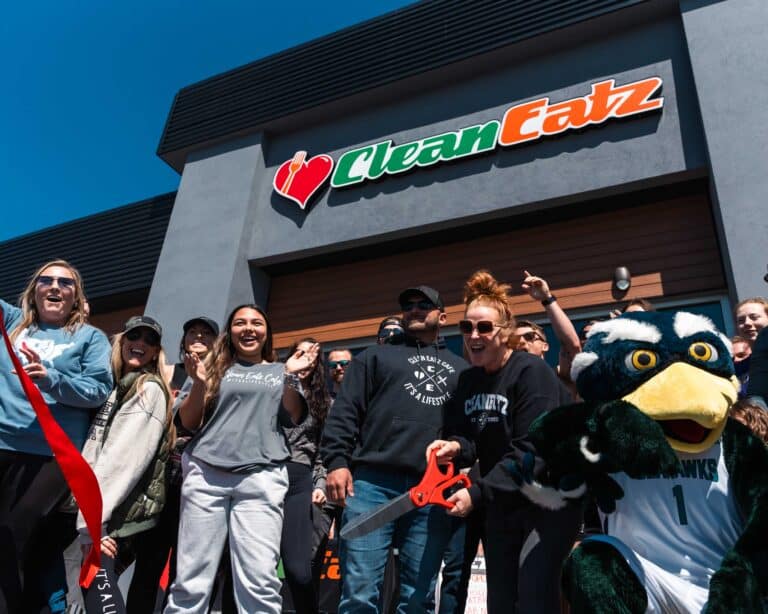 Articles
How to buy a healthy food franchise
Steve Rivenbark November 6, 2026 Articles
Franchise trends for healthy franchise buyers
Steve Rivenbark November 5, 2026 Articles
Restaurant industry statistics
Steve Rivenbark November 4, 2026 Articles
Franchise statistics for healthy franchise buyers
Steve Rivenbark November 2, 2026 Articles
Healthy food franchise vs smoothie franchise
Steve Rivenbark November 2, 2026 Articles
Restaurant KPIs for a healthy cafe franchise
Steve Rivenbark October 31, 2026 Articles
Fast casual vs QSR
Steve Rivenbark October 31, 2026 Articles