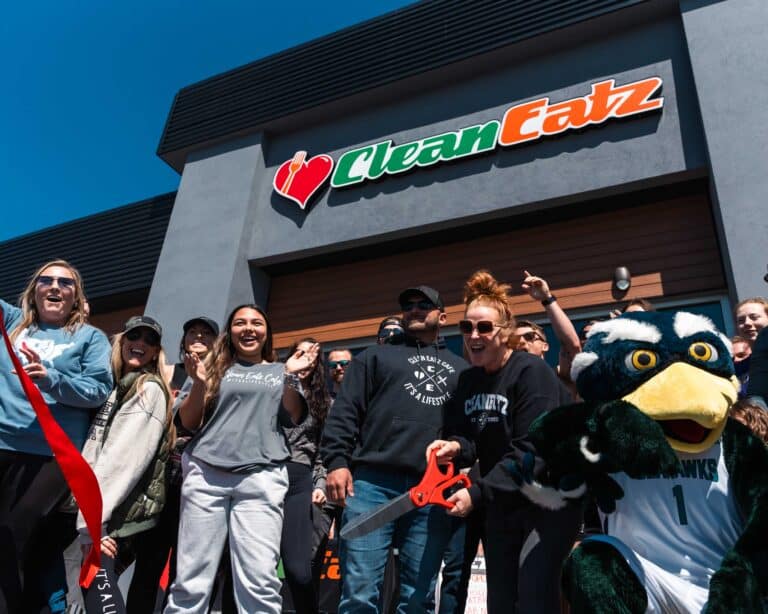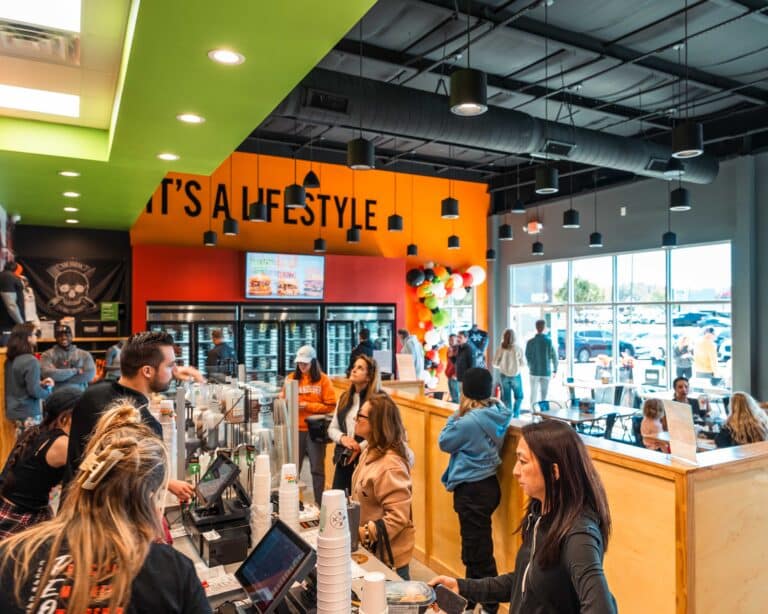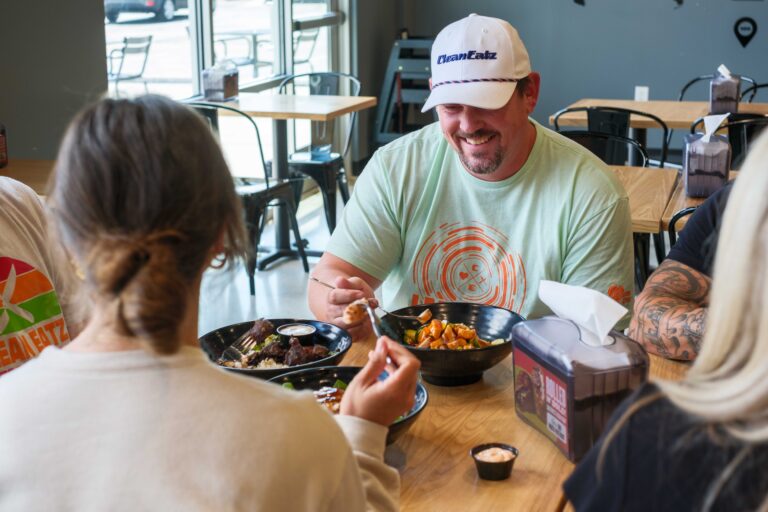
A healthy cafe franchise can earn from five places under one roof: weekly meal plans, frozen grab-and-go meals, the dine-in and carry-out counter, catering orders and a retail shelf. Each one reaches a different customer at a different moment, which is the whole argument for running them together. This list takes them one at a time, then shows how they share a single kitchen and crew.
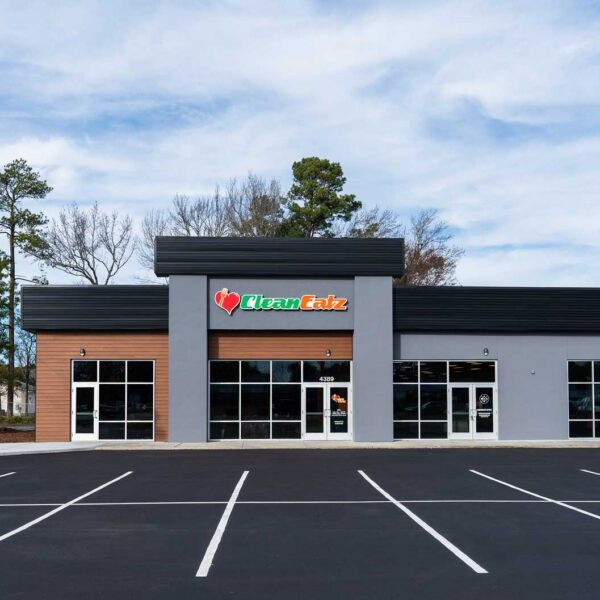
Clean Eatz, the healthy cafe franchise based in Wilmington, North Carolina, builds its cafes around those five streams and calls the format “a smarter restaurant model.” Its cafes are the worked example here, in the brand’s own description of each stream. Where the brand publishes nothing, such as a sales split by stream, the post says so and points you to the owners who can answer.
The short answer
Five revenue streams let one cafe sell to the weekly planner, the walk-in lunch customer, the office ordering for a team and the shopper at the register. The benefit is steadier demand across the week. The cost is more to manage, so judge any franchisor on how one kitchen and one crew carry all five.
Why revenue streams matter for a cafe owner
One menu leans on one daypart
Most restaurant revenue arrives through one door. A burger concept or a salad chain sells a meal to the person at the counter, and when lunch traffic softens there is nothing else on the books to cover the crew that already clocked in. Restaurant revenue streams are the separate ways a single location earns, each with its own customer, ordering rhythm and load on the kitchen.
Federal data shows why more than one stream can make sense. The Economic Research Service, which publishes the USDA food service industry data, puts 2025 food sales at restaurants and other foodservice outlets at $1.41 trillion, out of $2.51 trillion in total food sales once grocery and other retail stores are counted. Away from home took 56.3% of all food spending that year, per the ERS 2025 market segment figures. A cafe that only sells a plate competes for the first pool. A cafe that also sells a week of meals to take home, frozen meals for the freezer and snacks off a shelf also competes with the grocery cart.
U.S. food sales in 2025, in trillions of dollars
Source: USDA Economic Research Service, food service industry market segments, inflation-adjusted 2025 dollars. Food retailers calculated as $2.51T total minus $1.41T foodservice.
Demand also moves through the year. ERS found that average daily inflation-adjusted sales at limited-service restaurants in 2025 were lowest in January, at $1,277 million a day, and peaked in May at $1,493 million. A cafe with customers on weekly meal plans has a second source of orders in a soft walk-in month. How much that offsets is something only a specific cafe’s numbers can show.
Since it began franchising in 2015, Clean Eatz has built its format on this logic, and the trade press has covered it, including Fast Casual on five revenue streams in July 2026. Its home page puts it in six words: “One store. Five revenue streams.”
More revenue streams do not guarantee more sales. They give the same rent and the same crew more chances to earn.
Weekly meal plans
The order that repeats every week
In the brand’s words, Clean Eatz Meal Plans are “weekly pre-portioned, healthy meals for breakfast, lunch and dinner, customizable for dietary needs.” A customer orders a set of meals for the week and collects them on a schedule, so the sale exists before anyone walks through the door.
How a meal prep business builds repeat orders
Routine is what brings them back
A meal prep business earns repeat orders by solving a weekly problem rather than a single hunger. The person who buys five portioned lunches is buying back the hours they would spend shopping and cooking. That problem comes back every Monday, and when last week’s order was right and ready on time, the next one tends to follow without new marketing spend.
Predictability helps the operator as much as the customer. Knowing part of the week’s volume in advance makes it easier to order inventory and schedule prep.
Clean Eatz has added a GLP-1 Meal Plan Bundle of “macro-friendly, portion-controlled meals” to the same program, aimed at customers who now want smaller portions with more protein.
Production discipline is the trade-off. Weekly plans depend on a kitchen that hits the same standard every cycle: correct counts, consistent portions, clear labels and pickups ready at the promised time. For more on how that changes the operating model, read How a meal prep franchise differs.
Ask in validation
How many meal plan customers did you carry from one month to the next, and what made the ones who left stop ordering?
Grab-and-go food for busy days
Frozen meals for the unplanned day
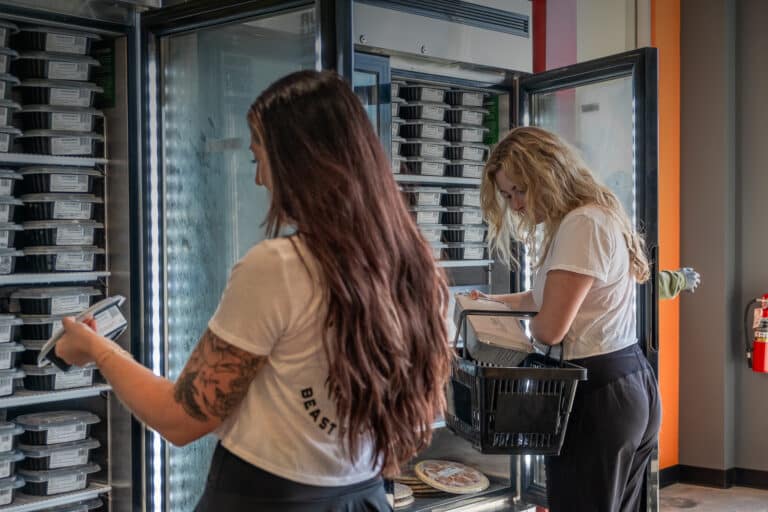
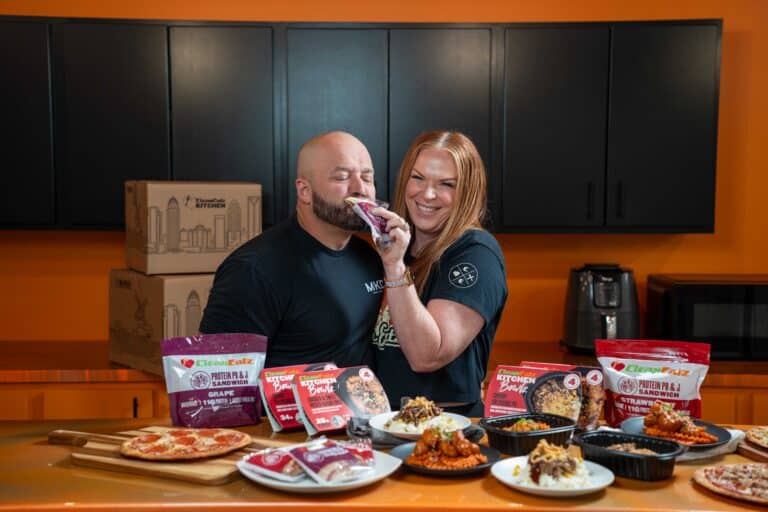
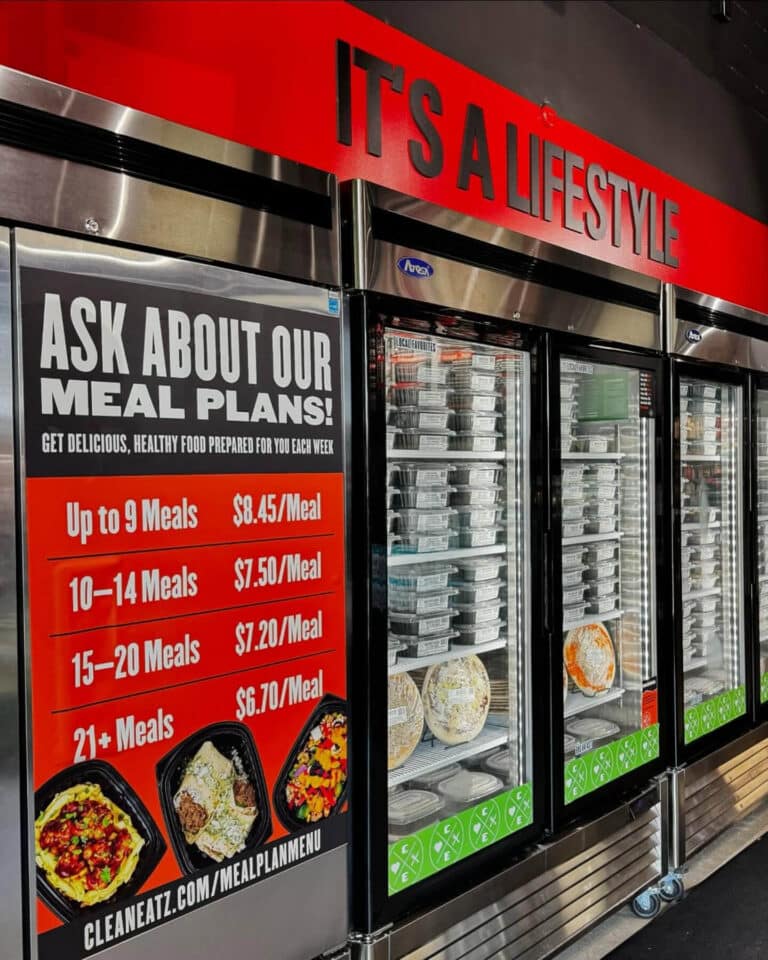
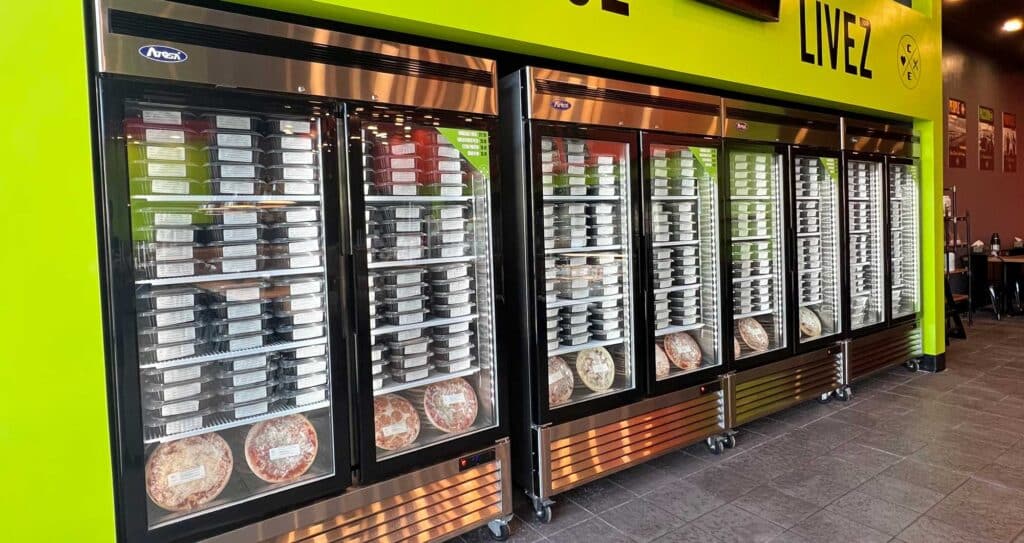
Grab and go food covers the customer who did not plan ahead. Clean Eatz sells its Grab-N-Go Meals as “frozen, pre-packaged, ready-to-eat meals for quick, convenient nutrition on the busiest days.” Someone can walk in at 3pm, take a meal from the case and be back in the car in a couple of minutes.
In a healthy grab and go program, format decides a lot. These Clean Eatz meals are frozen, not fresh-chilled, and cafes sell them from glass-door freezers. That choice shapes shelf life, waste and how the customer eats the meal later. For how owners lean on the stream in travel season, read Turning summer travel into growth.
The Clean Eatz answer
- Format Frozen, pre-packaged and ready to eat, in the brand’s own description
- Where it sits In freezers, not in a fresh-food cooler
- Built for Quick, convenient nutrition “on the busiest days”
Stocking healthy grab-and-go coolers
Freezer case or cooler: know which you run
Many grab-and-go programs in the industry fill refrigerated coolers with fresh salads and wraps on short dates, so the daily job is pulling expired product. A frozen program works differently. The FDA’s 2023 consumer guidance on storing food safely sets 0°F as the freezer target and says food kept at that temperature stays safe indefinitely, though quality declines the longer it sits.
So stocking a freezer case is less about waste and more about keeping it full and rotated so it reads well through the glass. These habits hold for either format:
- Log the case temperature every day from a thermometer staff can read at a glance.
- Rotate first in, first out by production date, oldest to the front.
- Face every label forward so the meal name and nutrition panel show through the door.
- Refill the fastest sellers before the lunch window, not after it.
- Mark the case clearly as frozen and keep heating directions on each pack.
- Track what sells out and what sits, and change next week’s order to match.
Cafe dining
The counter that brings in new faces
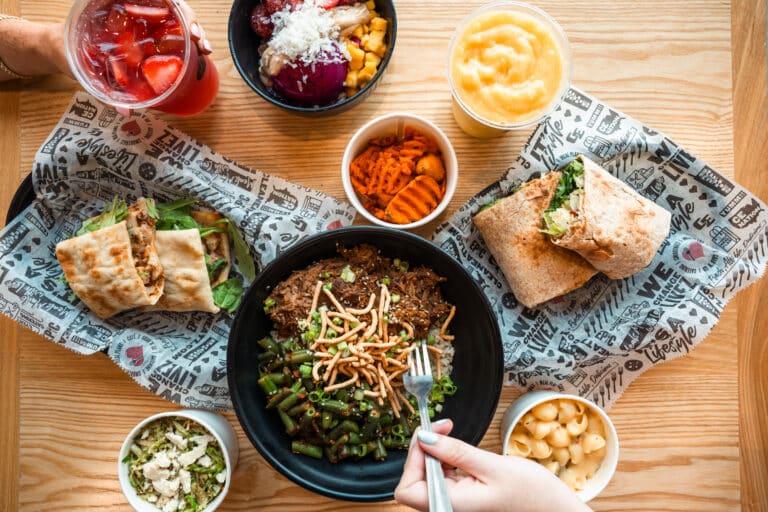
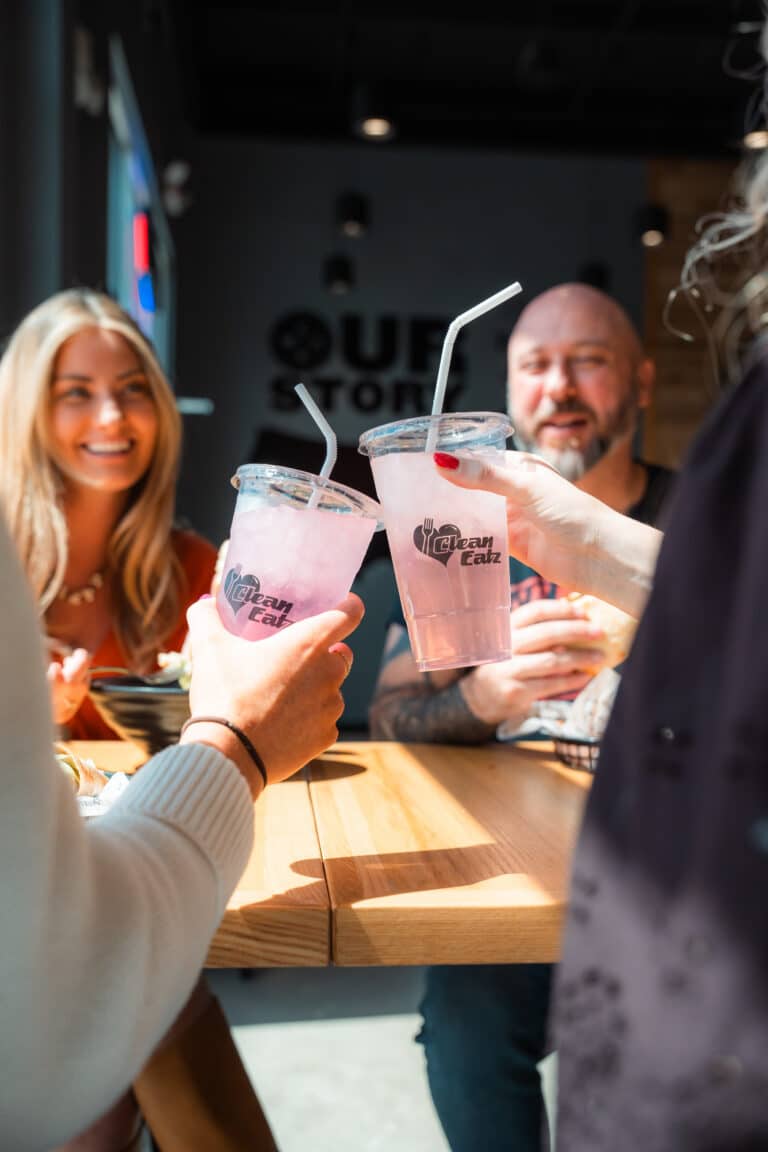
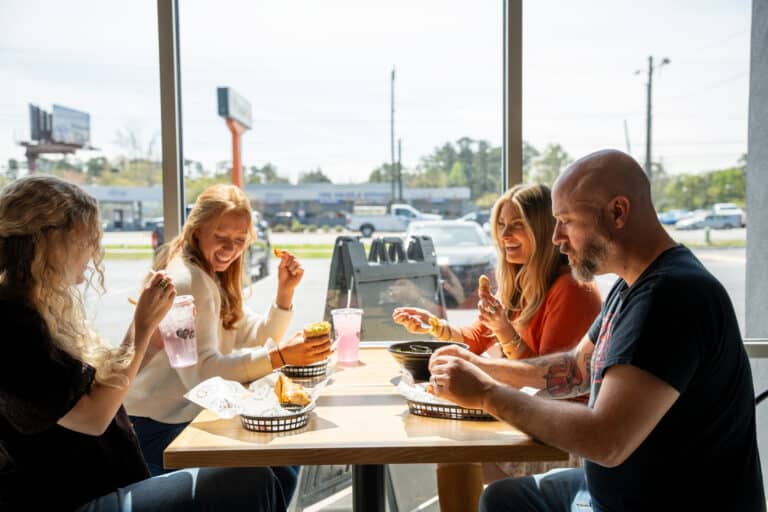
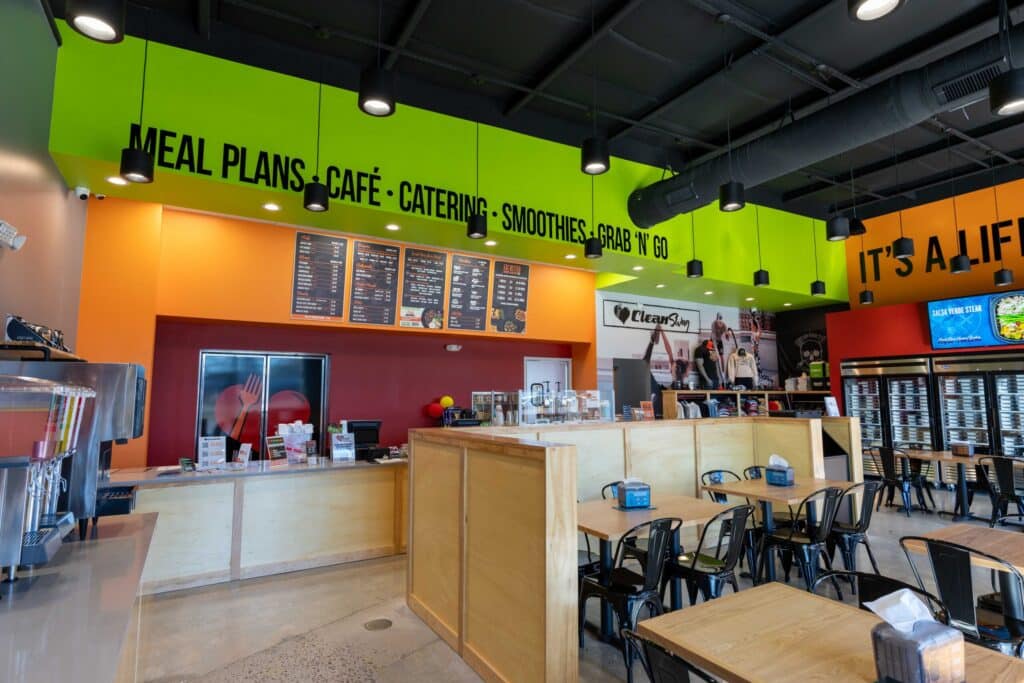
The In-Store Cafe is the stream most buyers picture first. Clean Eatz describes it as “dine-in and carry-out favorites: burgers, flatbreads, bowls and smoothies.” It is the front door of the business, the place a first-time customer tries the food before committing to a week of it.
Dine-in & takeout orders
Ordered at the counter, eaten anywhere
This is limited-service dining, where customers order and pay before they eat and then stay, carry out or have it delivered. Limited-service restaurants took 36.5% of U.S. food-away-from-home spending in 2025, ahead of full-service at 34.5%, according to the ERS market segment data.
Inside a Clean Eatz cafe, that counter runs on a condensed day of roughly 11am to 7pm, with no fryers in the kitchen. That gives up late-night sales. It also removes the fryer station, the oil handling and the late close, and the site notes that no fryers means “a smaller, simpler equipment package.” When lunch traffic and meal plan pickups land at the same hour they share one counter, which makes layout a question worth raising at site selection.
Healthy catering for offices & teams
Bigger tickets, booked ahead
Restaurant catering turns one order into a stack of meals, and because it is booked ahead it is one of the easier streams to plan labor around. Clean Eatz positions its Catering as “a fresh alternative to traditional event menus.” Healthy catering has a clear buyer: the office manager or coach feeding a group with mixed dietary needs who would rather not set out another tray of fried food.
Offices and teams make good accounts because they repeat. A weekly staff lunch, a monthly training day or a season of team meals can turn into a standing order. Winning the first order is the work. An owner who calls on local employers, gyms, schools and medical offices builds this stream, and it rarely builds itself.
Catering menu ideas that travel well
Food that holds up in a box
For a healthy cafe, the best catering menu ideas look the same on the client’s table as they did on the pass. Each dish has to survive a drive and then a wait on a buffet table. For timing, the FDA’s two-hour rule from the same food storage guidance is the outer limit: perishable food should not sit at room temperature for more than two hours, or one hour above 90°F.
| Why it travels | Watch for | |
|---|---|---|
| Grain & protein bowls | Components keep their texture when packed apart | Sauce on the side so rice and greens stay dry |
| Wraps & flatbreads | Cut and wrapped, easy to eat standing up | Keep cold fillings cold until the drop |
| Individually boxed meals | Each guest gets a labeled portion, which handles dietary needs cleanly | More packing and labeling time per order |
| Composed salads | Light and colorful on a shared table | Dressing packed separately or the greens wilt |
| Drinks by the gallon | One jug pours for a whole room | Bring ice and enough cups |
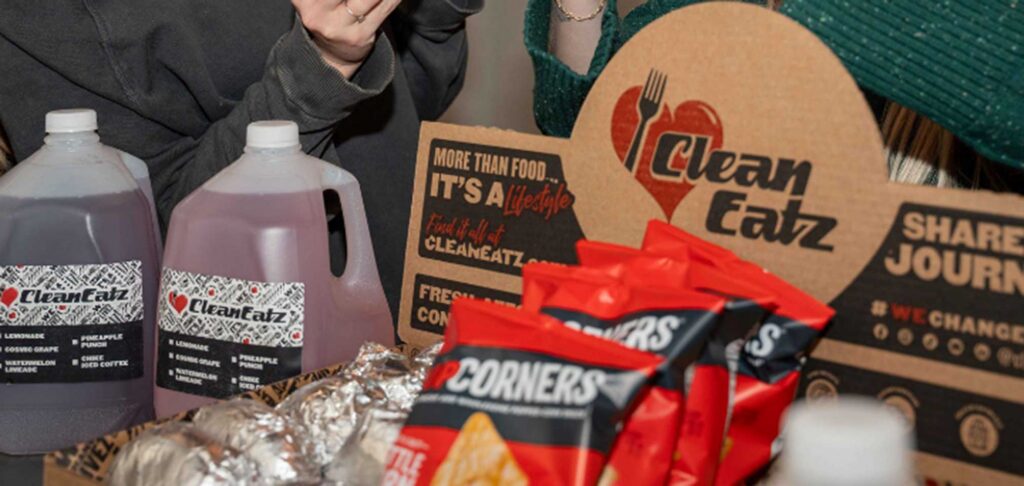
Before you buy into any catering stream, ask the franchisor what menu, packaging and ordering tools come with the system. Then ask owners how they cover a large order on a day the counter is busy.
Restaurant retail on the shelf
Sales that need no cook
Restaurant retail is the quietest stream and the simplest to run. Clean Eatz merchandises “healthy snacks, supplements and related products” throughout the store, so a customer collecting a meal plan or a smoothie can add something to the order without a second line or a second cook.
Retail asks for no prep labor. It does ask for cash, because every unit on a shelf was paid for before it sold, and slow movers hold that money hostage. Shelf space near the register and the pickup point earns the most, and a mix that fits the local customer beats a long assortment.
Red flag
An owner who cannot say which retail items sell in their market, or which ones they stopped carrying, may not be reviewing the shelf at all. Ask who decides what goes on it and how often.
How the five streams fit one kitchen
One crew, one footprint, five sales
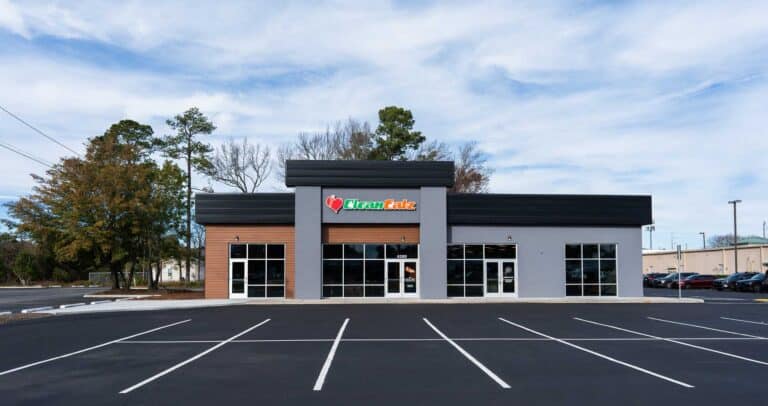
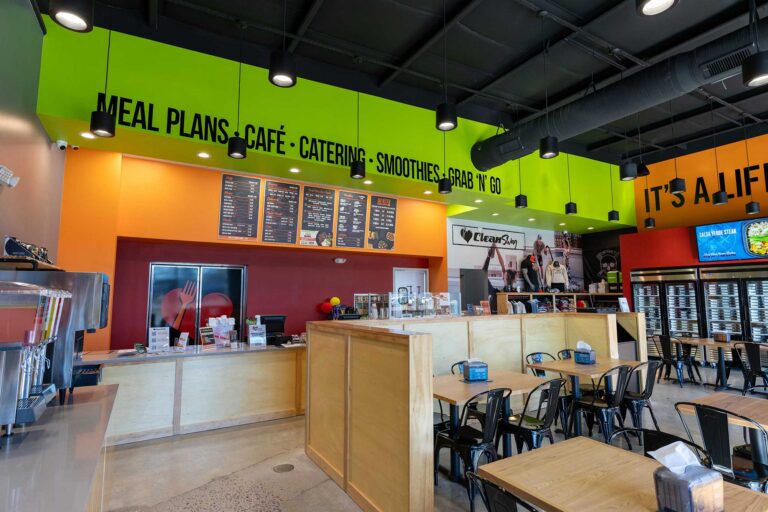
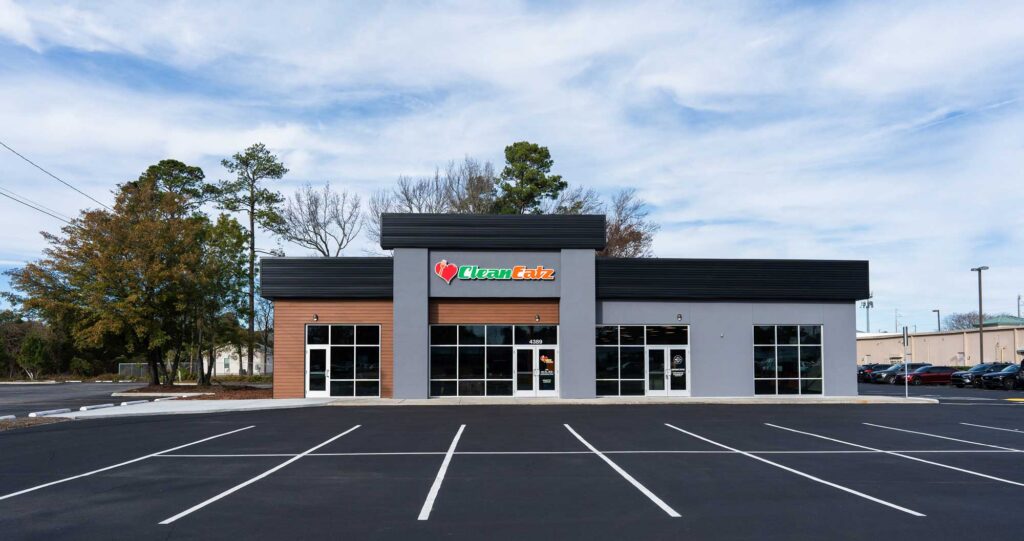
Five streams only help if one kitchen can produce them without turning into five separate operations. That is the test to apply to any of the healthy food franchises selling a multi-stream model. Clean Eatz answers it with a compact cafe of roughly 1,800 to 2,400 square feet, no fryers, a lean labor model and a day that runs roughly 11am to 7pm. Its FAQ says the menu is “built around streamlined, systemized prep rather than complex scratch cooking.”
| How it sells | What it asks of the operation | |
|---|---|---|
| Meal Plans | A weekly order, collected on a schedule | Exact counts and pickups ready on time |
| Grab-N-Go Meals | An impulse buy from the freezer | Rotation, full shelves and temperature logs |
| In-Store Cafe | Walk-in, dine-in or carry-out | Counter speed through the lunch window |
| Catering | Booked ahead for a group | Local outreach, packing and delivery timing |
| Retail | An add-on at the shelf or register | Inventory dollars and a regular shelf review |
On its home page, Clean Eatz sums up the case: “Diversified revenue means you’re never leaning on a single daypart or product to carry the store.” A fair reading is that diversified revenue spreads risk across customers and times of day. It does not remove the work of running each stream well, and five streams mean five sets of numbers to watch every week.
For its side-by-side of the format against a traditional quick-service restaurant, see Five ways to earn compared. Then take the questions to the people running the cafes. Validation, the step Clean Eatz calls Talk to Our Owners, is where a multi-stream model gets tested, and the brand says “we don’t screen who you speak with.”
- Which of the five streams grew fastest in your first year, and which took longest to build?
- How do you staff the counter when meal plan pickups and lunch traffic overlap?
- Who sells catering in your cafe, and how many hours a week does it take?
- How do you decide what goes in the freezer case and on the retail shelf?
- Which stream would you push harder if you opened again tomorrow?
Own a Clean Eatz Cafe
From $307,500 all-in
See Item 7
Exploring costs nothing at Clean Eatz until you sign a franchise agreement. The calls, the FDD review and Discovery Day in Wilmington are the cheapest place to learn how five streams work in a market like yours.
Sources
Common questions about restaurant revenue streams
Straight answers on the five streams
Which stream brings in the most sales?
Clean Eatz does not publish a sales split by stream in the FDD tables on its site. Item 19 reports results for the cafe as a whole, so treat any stream percentage you see elsewhere as undisclosed. Ask owners in validation how their own mix looks and how it shifted after the first year. What the site does say is that weekly meal plans “build in repeat revenue,” which is why that stream gets so much attention.
Do you need extra staff for catering?
Not always, but a large order needs a plan. Clean Eatz runs a lean labor model and does not publish crew sizes, so ask owners how they schedule prep and delivery for a big order without slowing the counter. Because catering is booked ahead, it is easier to staff for than a walk-in rush.
What retail products does a healthy cafe sell?
At Clean Eatz, retail means healthy snacks, supplements and related products merchandised throughout the store. What sells varies by cafe, so ask owners what sells in their market. The best retail items need no prep and fit the reason the customer came in.
Are Clean Eatz Grab-N-Go meals fresh or frozen?
Frozen. The brand describes them as frozen, pre-packaged, ready-to-eat meals, and cafes sell them from freezers. That gives the stream a longer shelf life than a fresh cooler program, though rotation still matters for quality.